How to capture tacit knowledge (the stuff in people's heads)

Tacit knowledge is the undocumented know-how people carry: judgement, context, and the reasoning behind decisions. It resists documentation because writing it all down is nobody's job. The practical fix is to capture it from the work people already produce and let them answer questions, rather than asking them to author manuals.
Tacit vs explicit knowledge
Explicit knowledge is already written down. Tacit knowledge is the harder, more valuable part: how an expert decides, what they watch out for, and why they chose one path over another. It rarely makes it into a doc.
Techniques that work
Capture from real artefacts (threads, tickets, decisions) rather than blank-page documentation. Use targeted questions and short interviews during transitions. Record the why behind decisions as they happen, not months later.
MindKeepr captures what your team knows and keeps it usable, even after people leave.
How AI helps
AI can ingest the work a person already produced and turn it into a twin that answers questions in their voice, with sources, so tacit context becomes usable without forcing anyone to write a manual.

Rather than asking a departing architect to write documentation, MindKeepr ingested their design decisions from real Jira and Slack threads and turned them into a twin. The team could then ask why an approach was chosen and get the answer in the architect's own reasoning, with the thread attached.
- ✓Tacit knowledge is judgement and context, not facts.
- ✓Asking people to document everything rarely works.
- ✓Capture from existing work, then fill gaps with questions.
- ✓AI can turn captured context into a queryable expert.
FAQ
The undocumented know-how a person carries: judgement, context, and the reasoning behind their decisions, as opposed to explicit knowledge that is already written down.
Because fully documenting it is nobody's full-time job, and much of it is intuitive, so it rarely gets written down before the person leaves.
Capture from the work people already produce, ask targeted questions during transitions, and use AI to turn that into a queryable expert.
Start free in minutes, or get a demo on your own tools and team.
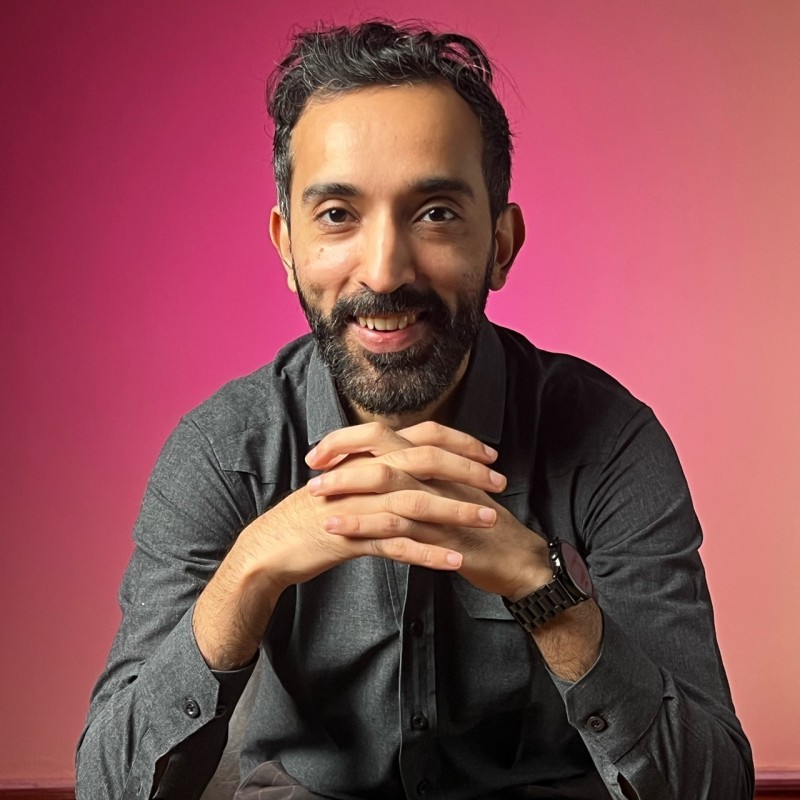
Faizan Khan is the co-founder and COO of MindKeepr, the operating memory for governed AI. He has twelve-plus years across enterprise IT and digital marketing and is also the founder and CEO of Cubitrek. At MindKeepr he leads growth, go-to-market, and customer experience.